


WILD Blog 03

Is That Summer Outside?
I’ve recently been reading a book called Incredible Journeys by David Barrie. I’ve also noticed that since September this year, I feel like I can count the sunny days of Strahan on one hand!
This is an exaggeration, of course. I actually believe I could count the sunny days on two hands. We are pushing on as always, however, and are so excited by our keen guests and friends who come out on our tours whatever the weather. It is, after all, why the tour has ‘adventure’ in the name!
Now that the unusually wet weather is easing off, and things are starting to change, I’ve found myself asking a question- how does the local wildlife follow the seasons?
Well first of all, we have to accept that they don’t. Not in our sense of the word anyway. Spring, Summer, Autumn and Winter don’t mean anything to Tasmanian animals. Their perception of the seasons doesn’t come from flipping a calendar, it comes from change. Primarily;
-Change in the environment around them (weather, day length, polarisation)
-Change in food sources (flowers, new leaf growth, wildlife migration)
-Internal change such as hormones and circadian rhythms (which can be dictated by the above two points).
If you’d like to flash around a fancy word, try ‘photoperiod’. It’s a fancy way of saying day length, and sounds a lot cooler. Marsupials recognise this part of life and, so do you. Changes in photoperiod can trigger bodily responses such as hormone change (think shedding fur or growing a thicker coat) and can encourage an animal to seek new lands or food sources though migration. It’s also the reason why adding our tours to the calendar six months in advance is an extremely calculated and long process- as we time every tour with the changing sunsets!
As the cold weather continues, so does an animal’s rest period. Have you ever wanted to sleep in on a cold, dark morning? Of course you have! Unfortunately for us humans our parents call that laziness. Marsupials do the same thing, but they get away with it by calling it ‘torpidity’. It’s a survival strategy when resources are poor. So next time you sleep in, don’t be so hard on yourself and remember your pygmy possum cousins.
And then there’s the rain. Ongoing rain may prevent a possum species from becoming active, as it dulls flowering on plants such as banksias. On the other hand, it may encourage another species and boost population survival (WILD Blog 02 mentions frogs). This is just scratching the surface- wet ground makes roots easier to access, or harder, depending on the plant, burrows may strengthen or collapse in hot weather, insects may pop out of the ground- if you can imagine it, it probably happens. It gets even cooler though….
Ever heard of infrasound? My Grandma always used to say if you see the cows lying down it means rain is coming. I’ve never really tested that hypothesis but it has some truth to it- certain animals can sense weather events before we have any idea they’re about to happen. Bird migration, an elephant seeking shelter, a whale navigating the open ocean, these can be aided by infrasound – sound not detected by human ears, caused by vibrations, distant storms, volcanoes and even human made machines. Though not usually relating to long term seasonal change, it’s an example of weather and natural events dictating the daily decisions of wildlife.
So, here we are wondering where spring went. Has it started, did it happen, will it happen, or are we now in summer? During an era of unpredictability and climate change, maybe it’s time we stopped looking at the calendar for help.
Next time you’re in the garden or out on a walk, take note of the flowers, the smells, the birds that are around. Are the possums in that tree in your garden again? Is that blackwood dropping it’s leaves, have the tea trees got that wonderful shine to them? I mean, literally take note, write it down and then next year see if it’s the same. The more you observe the more you might notice, nature tends to know exactly what it’s doing and it may be best to trust it over your calendar (even if it has pretty pictures and fills a great space on your kitchen wall).
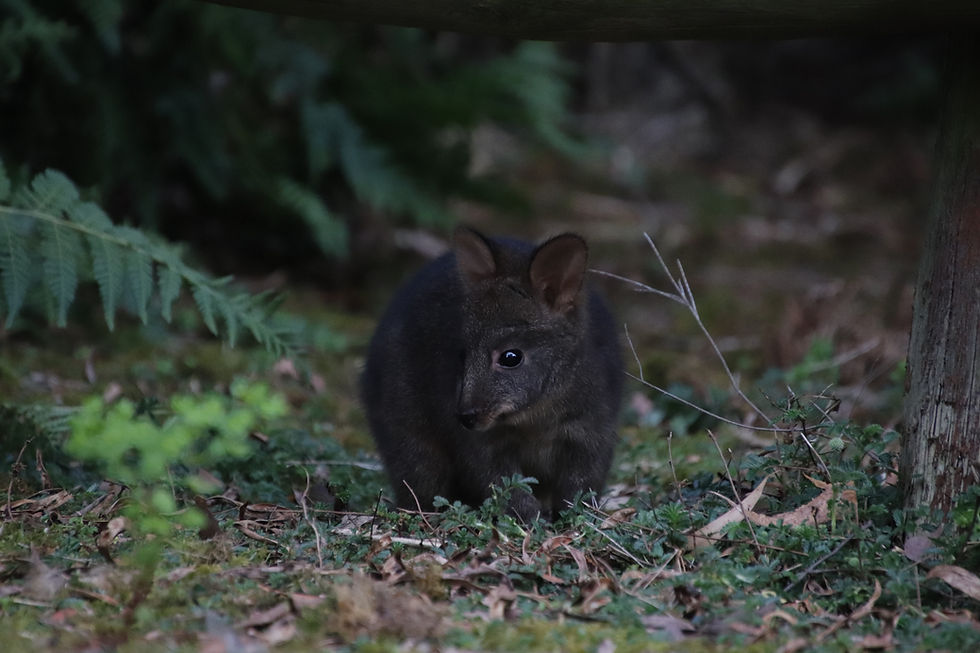
What I’m saying is, if it’s mid spring Saturday and it just hailed outside, channel your inner pygmy possum and have a lie in. Here's a photo of a cute pademelon.

Josh Selby, 16/12/2025

Comments